Funny Deer Christmas: A Designer's Real-World Review
As a designer who has spent years navigating the intersection of digital graphics and physical thread, I approach every new machine embroidery design with a specific set of questions. Does it translate from screen to fabric? Will it hold up under the scrutiny of a customer holding a finished product? When I first opened the files for Funny Deer Christmas, I wasn't just looking at a cute holiday graphic; I was evaluating a potential asset for my upcoming winter collection and client projects.
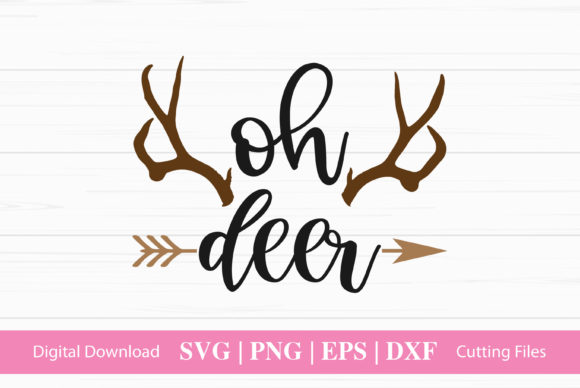
The immediate impression of Funny Deer Christmas is one of whimsical charm. In the realm of holiday Graphics, there is often a fine line between "festive" and "cluttered." This design manages to strike a balance that feels fresh rather than generic. The deer's expression carries a playful personality that instantly elevates the mood of any project it touches. It is not merely a silhouette; it has character. For an Etsy seller or a boutique owner looking to stand out in a crowded market, that distinct visual personality is crucial. It suggests a handmade narrative that customers connect with immediately.
From Digital File to Stitched Reality
Before committing to a final piece, I always test how a design behaves when converted into stitch data. While the listing confirms this is a DIGITAL DOWNLOAD containing SVG, PNG, AI, EPS, and DXF files, the real work begins when you load it into your software. The clean lines of the embroidery file suggest it will digitize well, but the devil is in the details. When I visualize the stitching process, I see opportunities for both fill stitch and satin stitch applications. The larger areas of the deer's body would benefit from a dense fill to ensure coverage on textured fabrics, while the outlines could use a smooth satin stitch to define the shape against the background.
I recently considered using Funny Deer Christmas for a batch of custom embroidered tote bags intended as holiday gifts. Tote bags are a staple for craft businesses because they offer a large, flat canvas. However, the fabric weave can sometimes interfere with intricate details. In this case, the design's bold shapes work in our favor. The layout is robust enough that minor shifts in the fabric during hooping won't ruin the image. If I were to place this on a heavy cotton canvas, the contrast of bright red and green threads against the natural beige would pop, creating a high-value handmade product that feels premium.
Strategic Applications for Small Businesses
The versatility of Funny Deer Christmas makes it a strong contender for various commercial applications. Imagine this design on a cozy fleece sweatshirt. The soft texture of the fleece pairs beautifully with the rounded forms of the deer. Because the design is not overly intricate, it avoids the common pitfall of thread bunching that often plagues detailed designs on thick materials. This makes it an excellent choice for custom apparel where comfort and durability are paramount.
For those specializing in baby items, this design offers a delightful alternative to traditional snowmen or Santa motifs. A onesie or a nursery pillow cover featuring this funny deer adds a touch of modern whimsy. Parents love unique personalized gift ideas, and this design fits perfectly into that niche. The scale of the design allows it to be resized effectively. On a small baby bib, the design remains recognizable without becoming muddy, provided the stitch density is adjusted correctly in your digitizing software.
Furthermore, consider the potential for embroidered patch production. Creating a series of patches featuring Funny Deer Christmas could serve as a fantastic add-on for other products or as standalone merchandise for a craft fair. Patches allow for creative freedom in backing materials and can be applied to denim jackets, backpacks, or hats. The clear definition of the design ensures that even when cut out as a patch, the edges remain crisp and professional.
Navigating Technical Challenges
While Funny Deer Christmas is a strong asset, a professional designer knows that no design is universally perfect without careful execution. There are scenarios where caution is required. For instance, if you plan to use this on a curved surface like a baseball cap, you must pay close attention to the hoop size and stabilizer usage. Curved surfaces distort stitches, and if the design includes tiny lettering or extremely fine details, they may become illegible after stitching. Fortunately, the primary focus of this design is the deer itself, which mitigates some of these risks, but testing is still non-negotiable.
Another critical consideration is the fabric texture. On highly textured fabrics like terry cloth or heavy knits, the needle penetration can vary, leading to uneven stitch lengths. Using the correct stabilizer is essential here. A tear-away might suffice for a stable woven shirt, but a cut-away stabilizer is likely necessary for stretchy fabrics or items that will undergo frequent washing. Since holiday items are often washed repeatedly, ensuring the structural integrity of the finished product is vital for maintaining customer trust.
Color selection also plays a massive role in the final outcome. While the default mockups might show standard Christmas colors, experimenting with unexpected palettes can make your small shop product stand out. Perhaps a monochromatic version in silver and white for a sophisticated look, or pastels for a modern twist. Always create a printable mockup in black and white first to check the contrast and value before purchasing expensive thread spools.
Practical Steps for Success
To get the most out of Funny Deer Christmas, follow these practical steps derived from real-world experience:
- Test on Scrap Fabric: Never skip the test run. Stitch the design on a scrap piece of the actual fabric you intend to use to check tension and alignment.
- Verify File Formats: Ensure your software supports the provided formats (SVG, AI, EPS, DXF). If you need a specific machine format (.PES, .JEF, etc.), you may need to convert the vector files first.
- Check Licensing: Before selling finished goods, confirm the license terms included in the ZIP folder. Most digital downloads allow for personal use, but commercial rights for selling finished products may require a different license tier.
- Adjust Density: If the design looks too dense on your screen, reduce the stitch count slightly in your software to prevent puckering, especially on lighter fabrics.
- Review Color Contrast: Ensure the thread colors you choose provide enough contrast against the fabric background so the design remains visible and vibrant.
In conclusion, Funny Deer Christmas is more than just a seasonal graphic; it is a functional tool for designers and makers. Its blend of humor and holiday spirit makes it a valuable addition to any Crafts portfolio. Whether you are creating a single personalized gift for a friend or producing a full line of commercial embroidery items for your business, this design offers the flexibility and visual appeal needed to succeed. By approaching it with technical care and creative vision, you can transform these digital assets into tangible, high-quality products that resonate with buyers and elevate your brand.