Funny Monster Spider Illustration Review
As a designer who has spent years translating digital graphics into tangible thread, I approach every new asset with a critical eye. When I first opened the file for Funny Monster Spider Illustration, I wasn't just looking at a cute character; I was analyzing its potential as a commercial embroidery design. In the world of Crafts and Graphics, the gap between a pretty image on a screen and a durable, beautiful stitched piece can be wide. This review breaks down how this specific monster spider holds up under the scrutiny of real-world production.
First Impressions: Personality Meets Stitchability
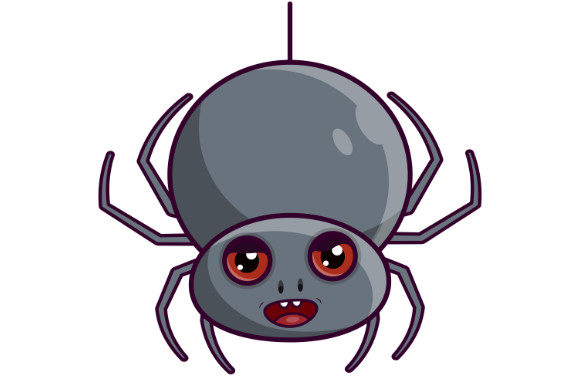
The immediate mood of the Funny Monster Spider Illustration is playful and slightly mischievous without crossing into scary territory. For an embroidery project, this balance is crucial. A design that is too aggressive might limit your market, while one that is too generic fails to capture attention. The shape of this spider is bold, with exaggerated eyes and a whimsical posture that suggests movement even when static. Visually, it feels like it belongs on a child's nursery decor or a quirky Halloween tote bag design.
From a technical standpoint, the layout appears clean. The lines are distinct, which is promising for converting this into a high-quality machine embroidery design. However, the true test lies in how the software interprets these lines into satin stitch, fill stitch, and running stitch commands. The visual personality is strong, but we need to ensure the digitization preserves that charm without creating excessive jump stitches or tangled threads.
A Real-World Scenario: The Custom Sweatshirt Project
Let's imagine a practical scenario. I am preparing a batch of custom apparel for a local boutique owner who wants to sell limited-edition holiday gifts. She needs a design that stands out on dark grey sweatshirts. I decide to test the Funny Monster Spider Illustration on a sample garment. The goal is to create a personalized gift that feels professional yet handmade.
When I load the embroidery file into my machine, I immediately check the hoop size requirements. If the design is too large for a standard 5x7 hoop, it might require repositioning, which increases the risk of shifting on stretchy fabric like a sweatshirt. Assuming the dimensions fit well, I proceed with a stabilizer test. On a heavy cotton blend, the design sits nicely. The thick outlines of the spider legs hold their shape, preventing the common issue where thin lines get lost in the fabric texture.
The result on the finished product is vibrant. The contrast between the bright thread colors and the dark fabric makes the monster pop. Customers browsing this item would likely perceive it as a high-value, unique piece rather than a mass-produced print. This is exactly what an Etsy seller or small shop product line needs to drive engagement.
Navigating Fabric and Hoop Challenges
While the Funny Monster Spider Illustration performs well on stable surfaces, there are areas where caution is required. Embroidery is unforgiving on certain materials. If you attempt this design on thin fabric or highly textured fabrics like denim or fleece without proper backing, the details may distort. The tiny corners of the spider's legs, if they exist in the intricate version of the graphic, could become muddy if the stitch density is too high.
For curved surfaces like caps or hats, the challenge increases. The rigid nature of the spider's body might not conform perfectly to the curve of a baseball cap unless the digitizer has specifically adjusted the pull compensation. Additionally, on baby clothes, where softness is paramount, a dense fill stitch area might feel stiff against a child's skin. In such cases, reducing the density or using a lighter weight thread could maintain comfort while keeping the visual appeal intact.
Another consideration is frequent washing. Items like kitchen towels or aprons undergo rigorous cleaning cycles. If the thread tension isn't perfect during the stitching process, the design might pucker or fray over time. Always inspect small details after the first wash cycle to ensure the longevity of the finished product.
Visual Appeal and Brand Consistency
Using a design like Funny Monster Spider Illustration affects more than just the look of a single item; it influences your brand perception. For a craft business, consistency is key. If your brand is known for whimsical, fun designs, this spider fits perfectly. It enhances the overall aesthetic of your portfolio, whether you are selling digital product previews or physical goods.
However, if your brand focuses on minimalist or corporate aesthetics, this illustration might clash. The visual impact is strong, so it demands a context that matches its energy. For holiday embroidery or seasonal collections, it adds a touch of excitement that can boost sales. But for everyday, understated merchandise, it might feel out of place. Always consider how this design asset aligns with your existing collection before committing to a full run.
Practical Designer Notes for Success
To get the most out of the Funny Monster Spider Illustration, follow these practical steps:
- Test on Scrap Fabric: Never skip the test run. Stitch the design on a scrap piece of the actual fabric you plan to use. Check for puckering, skipped stitches, or color bleeding.
- Check Thread Color Contrast: Ensure the chosen thread colors stand out against your background fabric. A black spider on a black shirt will disappear, regardless of how good the design is.
- Review Stitch Density: If the design looks too heavy, try reducing the density settings in your software. This improves drape and reduces bulk, especially on items like baby embroidery or lightweight tees.
- Confirm Hoop Size: Verify that the design fits within your available hoops. Resizing a design too much can ruin the proportions and detail clarity.
- Use Proper Stabilizer: Invest in a quality tear-away or cut-away stabilizer. This is non-negotiable for maintaining the integrity of complex shapes like spider legs.
- Inspect Small Details: Zoom in on the mockups. Are the eyes clear? Do the legs connect properly? Tiny errors can make a big difference in the final presentation.
- Test Black and White Mockups: Before printing or stitching, view the design in grayscale to check contrast levels without the distraction of color.
- Verify Licensing: Since the product description mentions formats for mugs and phone cases, clarify if the license covers commercial use for all applications. Confirm whether you can sell the digital embroidery file itself or only the stitched items.
Final Verdict on Commercial Viability
The Funny Monster Spider Illustration is a versatile asset that bridges the gap between simple Graphics and functional Crafts. Its ability to work across different mediums—from t-shirts to coloring pages—makes it attractive for digital product sellers and creative entrepreneurs alike. However, its success depends entirely on execution. A poorly stabilized stitch job can ruin even the best design, while a well-planned application can turn this monster into a bestseller.
For small business owners and hobbyists, this design offers a chance to create memorable, personalized gifts that stand out in a crowded market. Whether you are making an embroidered patch for a hat or a decorative pillow cover, the key is to respect the limitations of the medium. By testing thoroughly, choosing the right materials, and understanding the nuances of commercial embroidery, you can ensure that this funny monster becomes a staple in your collection rather than a lesson in what not to do.