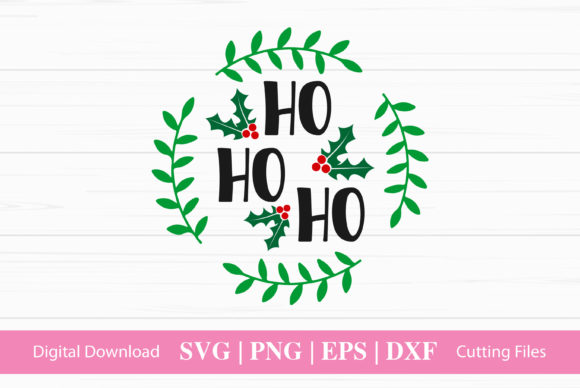
Ho Ho Ho Funny Christmas Embroidery Review
As a designer who has spent years navigating the fine line between a cute digital graphic and a stitchable reality, I approach every new machine embroidery design with a critical eye. The holiday season is the busiest time for any craft business, and finding a design that translates well from screen to fabric can make or break your production schedule. Today, I am evaluating the Ho Ho Ho Funny Chrsitmas design. This isn't just about whether it looks good in a preview; it is about how it performs when you actually load it into your machine, hoop it up, and send it out as a finished product.
First Impressions: Visual Personality and Layout
When I first opened the digital download package containing the SVG, PNG, AI, EPS, and DXF files, my immediate focus was on the vector paths. For an embroidery project, clean lines are non-negotiable. The Ho Ho Ho Funny Chrsitmas design carries a distinctively playful mood. It feels less like a traditional, ornate holiday motif and more like a modern, witty statement piece. The layout appears balanced, which is crucial when converting a Graphics file into a stitch file.
The visual weight of the text and any accompanying icons seems distributed evenly. In my experience, uneven distribution often leads to puckering on one side of the garment while the other remains flat. If this design maintains its structural integrity during digitization, it will be a strong contender for custom apparel. The "funny" aspect suggests a casual vibe, making it perfect for items where perfection is less important than personality. However, humor in embroidery relies heavily on legibility. If the lettering gets too small or the stitch density is too high, the joke gets lost in the thread.
Real-World Application: From Digital File to Tote Bag
Let's talk about a real scenario. Imagine you are an Etsy seller preparing a batch of holiday tote bags for a local craft fair. You need a design that pops against canvas but doesn't overwhelm the natural texture of the fabric. I envision using Ho Ho Ho Funny Chrsitmas on a sturdy, off-white cotton tote. The contrast would likely be excellent, provided you choose vibrant thread colors like deep reds, forest greens, or perhaps a bold gold for the accents.
In this context, the design functions as a conversation starter. A customer walking through a market might spot the phrase from across the aisle. The key here is the hoop size. If the design is large enough to be seen but small enough to fit within a standard 5x7 or 6x10 hoop without excessive re-hooping, it becomes a logistical win for your craft business. Efficiency matters. When you are stitching fifty bags before Christmas Eve, a design that requires constant adjustments slows you down. The multi-format availability of this embroidery file means you have flexibility if you need to scale it up for a larger application, such as a sweatshirt back print or a pillow cover.
Navigating Fabric Challenges and Stitch Density
While the design looks promising, we must address where things could go wrong. Not all fabrics are created equal. If you attempt to use Ho Ho Ho Funny Chrsitmas on thin jersey knit or a stretchy material, the tension from the fill stitch could cause significant distortion. The "funny" element might end up looking warped rather than whimsical. For these materials, a heavy-duty stabilizer is mandatory. I always recommend testing on scrap fabric first to see how the threads pull against the grain.
Texture is another factor. On a nubby wool blanket or a thick fleece, intricate details can get swallowed by the pile. If the design includes tiny decorative elements or very thin lettering, they may not render clearly on textured surfaces. In such cases, simplifying the design or opting for a bold satin stitch outline might be necessary to ensure visibility. Conversely, on smooth fabrics like denim or twill, the design should shine, offering crisp edges and clear definition.
Darker fabrics present their own challenge. While a light-colored thread on dark fabric creates high contrast, it also highlights every skipped stitch or thread break. Before committing to a full run of black sweatshirts, create a printable mockup or a physical sample. Check the stitch density to ensure the backing shows through minimally. If the density is too low, the dark fabric will bleed through the white thread, making the design look muddy. If it is too high, the fabric will pucker, ruining the drape of the garment.
Strategic Use in Commercial Projects
For those running a small shop product line or creating personalized gifts, Ho Ho Ho Funny Chrsitmas offers versatility. It fits well as an embroidered patch applique, which allows you to sew it onto various items later without worrying about the initial hoop stability. This is particularly useful for caps or hats, where curved surfaces make direct embroidery tricky. By creating patches first, you can control the quality and then attach them to different products, ensuring consistency across your inventory.
Consider the end-user. Is this for a baby item? If so, the thread safety and softness are paramount. Avoid overly dense stitching that creates a hard, scratchy surface against a baby's skin. For adult wearables like aprons or kitchen towels, durability is key. These items face frequent washing, so the running stitch and fill patterns must be secure. A loose thread after three washes damages your reputation as a professional maker.
From a branding perspective, using a cohesive design like this helps build brand consistency. If you sell multiple holiday items, having a recognizable style—whether it's funny, elegant, or rustic—helps customers identify your work. The Ho Ho Ho Funny Chrsitmas design leans into the fun, lighthearted category, which appeals to a specific demographic looking for gifts that aren't too serious.
Practical Designer Notes for Success
Before you finalize your order or start stitching, keep these practical notes in mind:
- Verify Licensing: Since this is a digital download, confirm the license terms. Can you sell the finished handmade product? Are there limits on the number of items you can produce? Never assume commercial rights are included unless explicitly stated.
- Test Colors First: Don't guess. Pull a few test stitches with your intended thread colors on the actual fabric you plan to use. Lighting changes how colors appear, and what looks great on a monitor might clash in person.
- Check Small Details: Zoom in on the vector files. Are there tiny gaps or overlapping lines that could confuse the digitizing software? Clean up the file if necessary before converting it to an embroidery format.
- Stabilizer Selection: Match your stabilizer to the fabric weight. Cut-away for knits, tear-away for wovens. A poor choice here ruins even the best design.
- Hoop Size Confirmation: Ensure the design fits comfortably within your machine's hoop with a margin for error. Pushing the limits of the hoop size often results in registration errors.
In conclusion, Ho Ho Ho Funny Chrsitmas holds significant potential for designers looking to add a touch of humor to their holiday collection. Its success lies in how carefully you adapt it to your specific materials and production methods. With proper preparation, attention to stitch density, and a keen eye for detail, this design can become a standout piece in your Crafts portfolio, driving engagement and sales for your creative entrepreneur journey.