Life s Better with Cats: Embroidery Design Review
As a designer who has spent years turning digital files into tangible stitched goods, I approach every new asset with a mix of excitement and skepticism. The market is flooded with generic Graphics, but finding a design that truly translates well from screen to fabric requires a critical eye. Today, I am evaluating the Life s Better with Cats, Funny Cat Shirt file. This isn't just about whether the image looks cute on a monitor; it is about how this specific machine embroidery design behaves when you load it into your hoop, select your thread colors, and stitch it onto real materials for clients or your own craft business.
First Impressions: Visual Weight and Layout
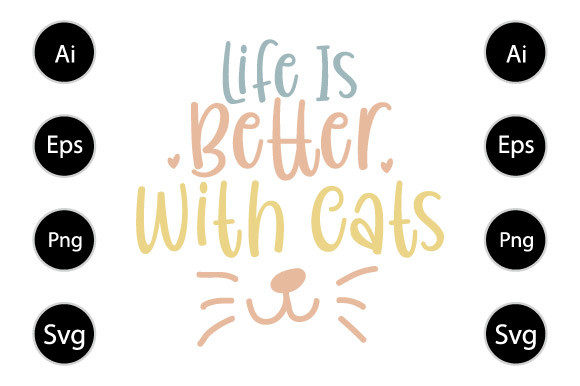
When I first opened the preview of Life s Better with Cats, Funny Cat Shirt, the mood was immediately clear. It strikes that perfect balance between whimsical and bold. The layout suggests a design meant to be the focal point of a garment or home decor item rather than a subtle accent. For those of us creating custom apparel, visual weight is everything. If a design is too sparse, it gets lost in the texture of a heavy sweatshirt. If it is too dense, it puckers thin cotton. This design appears to have a solid structural integrity.
The typography paired with the cat illustration feels cohesive. In the world of embroidery project planning, text can often be the weak link if the font is too thin or the kerning is off. Here, the lettering seems robust enough to hold up under a standard fill stitch without breaking down into gaps. However, before committing to a final run, I always advise checking the vector lines to ensure there are no stray points that could cause thread breaks during production.
Real-World Application: From Hoop to Home
Let's talk about a real scenario. Imagine you are an Etsy seller preparing a holiday collection. You want to create a limited run of personalized tote bags or cozy fleece blankets for cat lovers. The Life s Better with Cats, Funny Cat Shirt concept fits perfectly here. I can see this design working beautifully on a canvas tote bag design. The sturdy nature of canvas allows for higher stitch density without worrying about distortion.
I also envision this as a standout piece on a heavyweight hoodie. A sweatshirt embroidery project benefits from designs with clear outlines and defined shapes. The "funny" aspect of the design suggests it will resonate well with customers looking for a conversation starter. Whether it is a personalized gift for a "crazy cat lady" or a unique item for a boutique shop, the visual appeal drives engagement. When a customer sees a high-quality finished product, their trust in your brand increases. They aren't just buying a shirt; they are buying a statement.
For smaller items, such as a pillow cover or a kitchen towel, the design needs to scale well. Since the source file includes high-resolution formats like PNG at 4500 x 5400 pixels, scaling should not result in pixelation. However, remember that embroidery is different from printing. Scaling down a complex design too much can lead to thread bunching. If you are making a baby embroidery item, like a onesie, ensure the design is simplified enough to remain soft against delicate skin.
Navigating Fabric Challenges and Stitch Mechanics
Every designer knows that the devil is in the details, especially regarding fabric choice. While Life s Better with Cats, Funny Cat Shirt looks great on paper, its performance changes based on the substrate. On textured fabrics like linen or slub cotton, fine details might get swallowed by the weave. I would recommend using a heavier stabilizer and perhaps increasing the pull compensation slightly to ensure the stitches sit flat.
Be cautious with stretchy fabrics. If you are applying this to a jersey knit t-shirt, the tension from the stitching can cause the fabric to pucker around the edges of the design. In these cases, a cutaway stabilizer is non-negotiable. Also, consider the background color. If you are embroidering on dark fabric, the contrast of the thread colors becomes critical. You may need to add a layer of underlay or switch to lighter thread shades to make the "Life s Better with Cats" message pop.
One area to watch closely is the hoop size. If the design spans a large area, ensure your machine bed can accommodate it. If you are working with a small hoop, you might need to split the design into sections, which adds complexity and time to your workflow. Additionally, curved surfaces like caps require careful manipulation. The flat geometry of a standard digital embroidery file might not drape naturally over a rounded cap panel without significant adjustment.
Practical Designer Notes for Professional Results
To ensure your final output is professional, follow these steps before selling any finished product:
- Test on Scrap Fabric: Never skip this step. Run a test on the exact fabric and stabilizer combination you plan to use. Check for registration issues where the running stitch might miss the fill areas.
- Review Thread Colors: The mockup might look great in black and white, but does it work in color? Ensure the thread palette matches your brand or the client's request.
- Inspect Small Details: Zoom in on the vector file. Are there tiny corners that might trap lint or cause thread breaks? Simplify them if necessary.
- Check Licensing: Always confirm the licensing terms. Can you sell the physical items? Can you resell the digital file? Understanding the rights prevents legal headaches for your small shop product line.
- Compare Backgrounds: View the design against both light and dark backgrounds to anticipate how it will look on various garments.
Final Verdict: A Versatile Asset for Makers
The Life s Better with Cats, Funny Cat Shirt design offers a strong foundation for creators in the Crafts sector. It captures a popular theme with a personality that appeals to a wide audience. While it requires the same care and attention to detail as any other commercial embroidery asset, its versatility makes it a valuable addition to your library of design assets.
Whether you are producing a single embroidered patch for a friend or launching a full line of holiday embroidery gifts, this file provides the flexibility needed for success. By respecting the mechanics of stitching—choosing the right stabilizer, managing density, and testing thoroughly—you can turn this digital graphic into a high-quality, tactile product that customers will love. Remember, the difference between a good design and a great one lies in the execution. With the right preparation, this cat-themed artwork is ready to elevate your handmade offerings.